



Cultivating curiosity through collaboration: MIT Edgerton Center visits Bayan Gardens School
Building Foundations
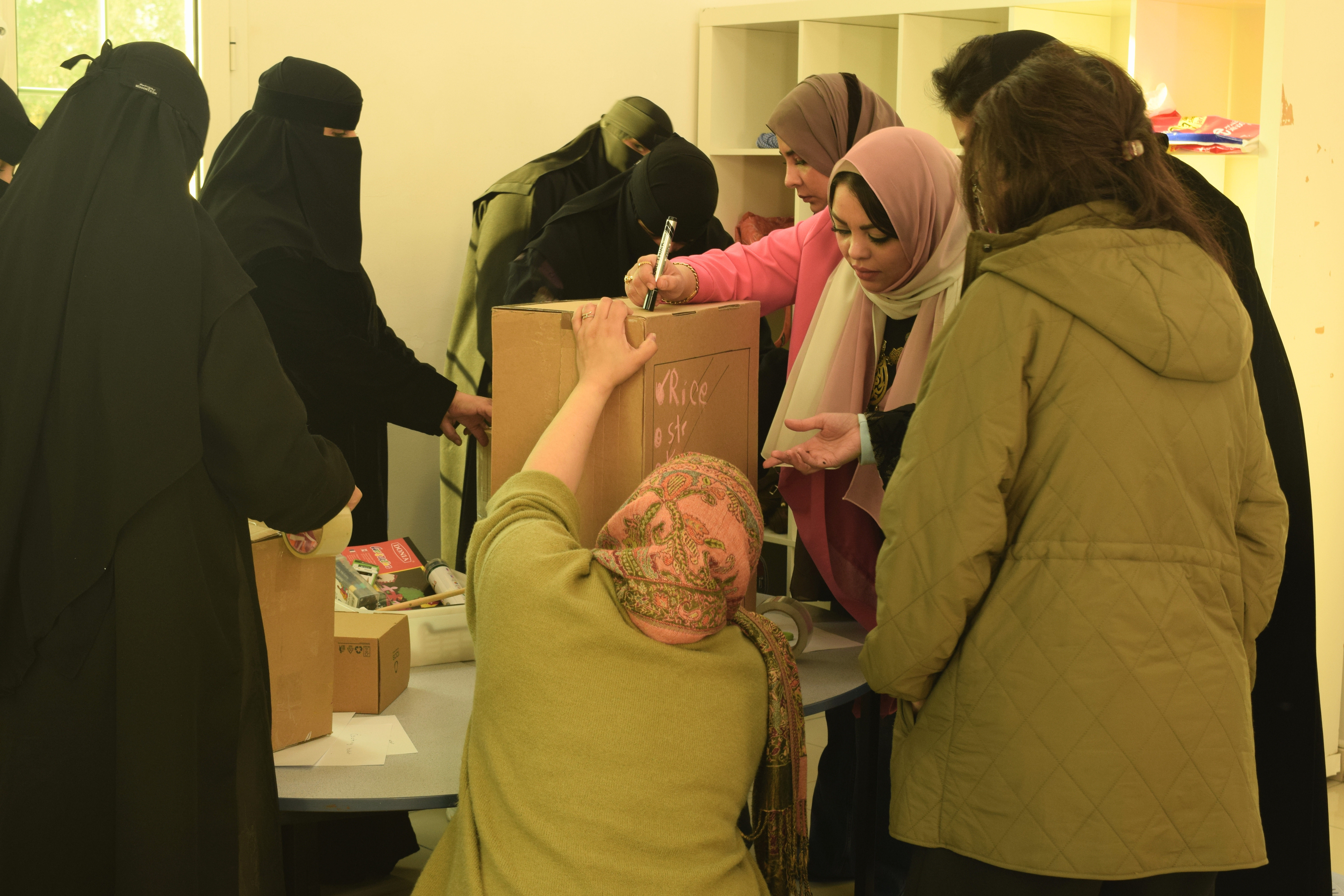
The visit kicked off on a Saturday with a three-hour teacher training session designed to prepare Bayan Gardens educators to serve as mentors throughout the week, and to shift their teaching from a model of direct instruction to facilitation. A testament to the community’s enthusiasm and commitment, every single teacher showed up.
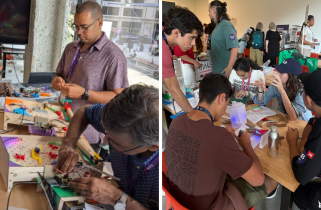
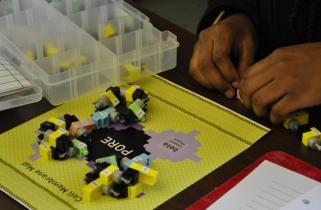
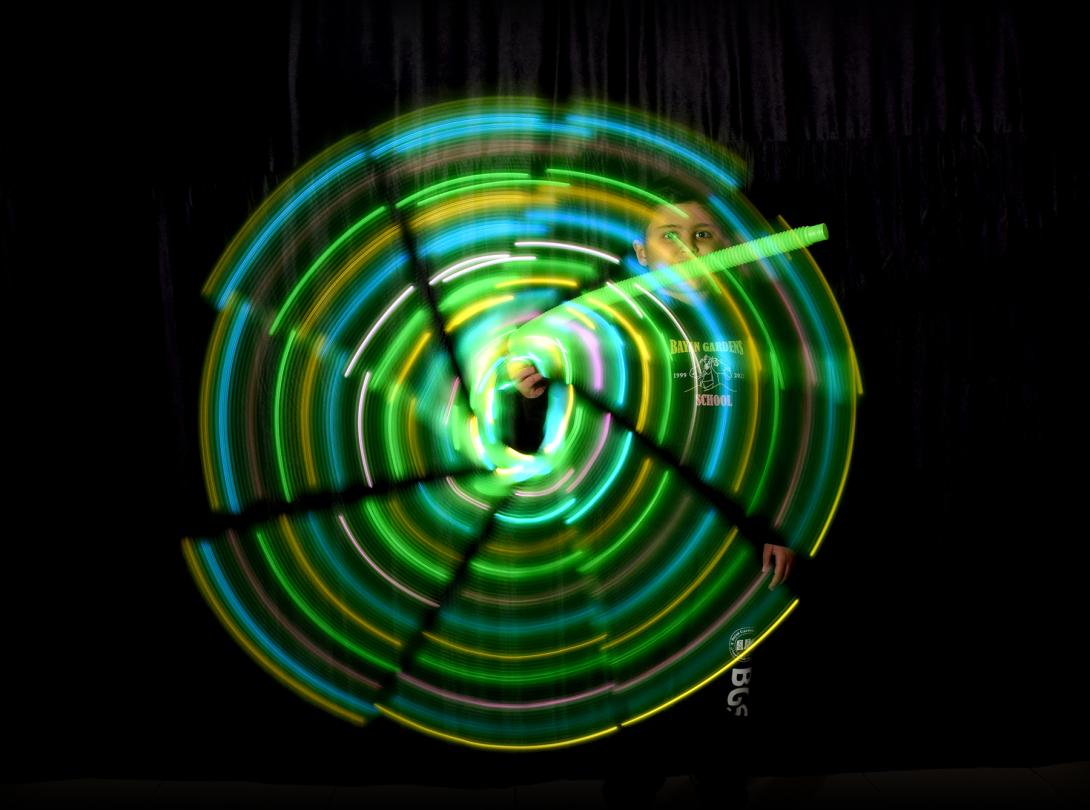
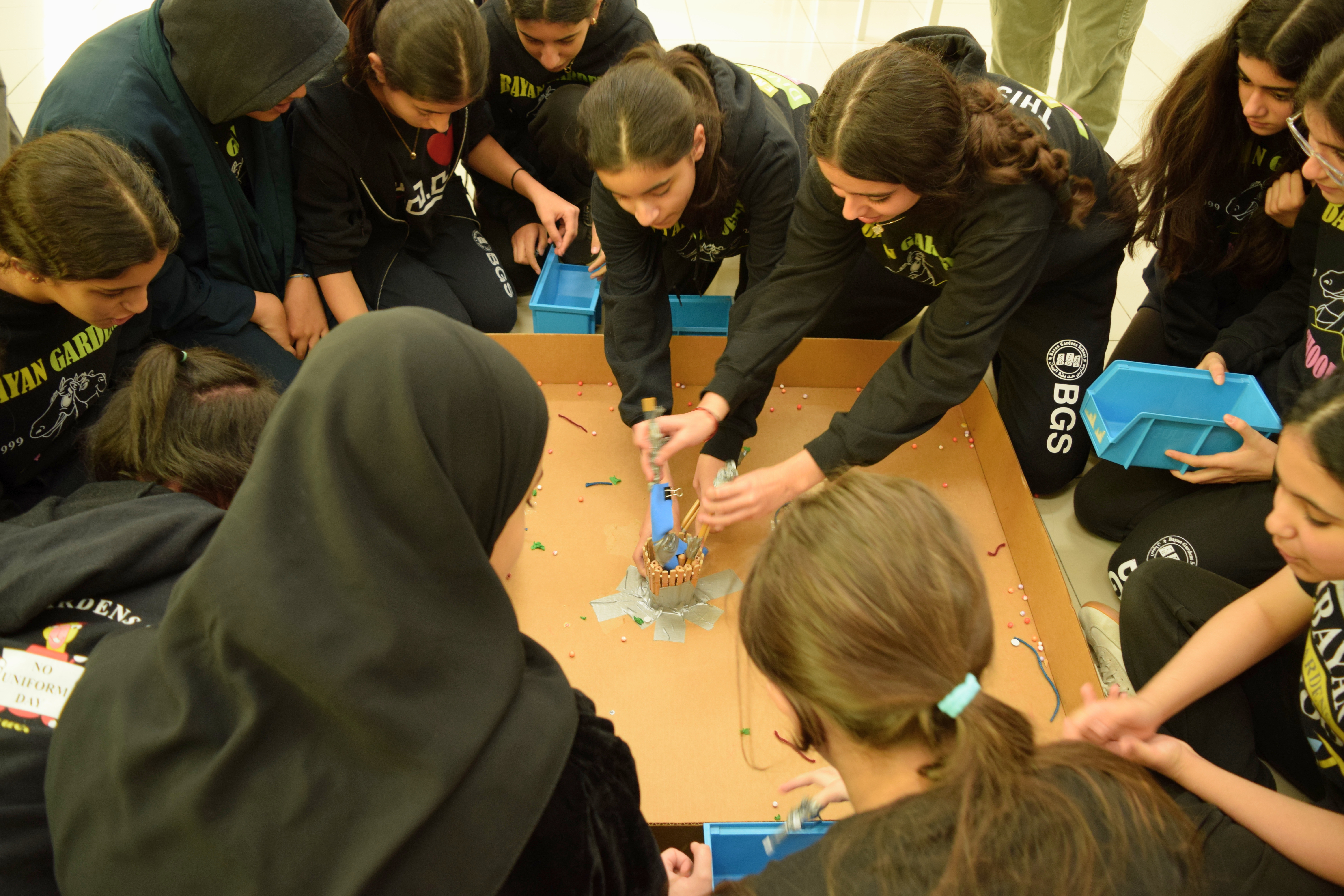
Over the next two days, the MIT team worked with students in 45-minute sessions, meeting with every class from third through eleventh grade. Each session featured one of two activities: Edgerton Explorations, a hands-on introduction to long-exposure strobe photography, or Bird Beaks, an original lesson developed at the Edgerton Center in collaboration with Amy Fitzgerald.
Bird Beaks is an engineering challenge with a hidden lesson. Embedded within the fast-paced activity, in which students rapidly iterate through different beak designs to accomodate various types of food, is a biology lesson about evolution. True to the spirit of Harold "Doc" Edgerton, this activity doesn't let students know they're learning until it's too late. The big reveal came at the end of each session. When asked whether they had just done a biology lesson, the students invariably said no, while their teachers replied with a resounding yes.
The Hackathon & Build Project: Three Days of Learning by Doing
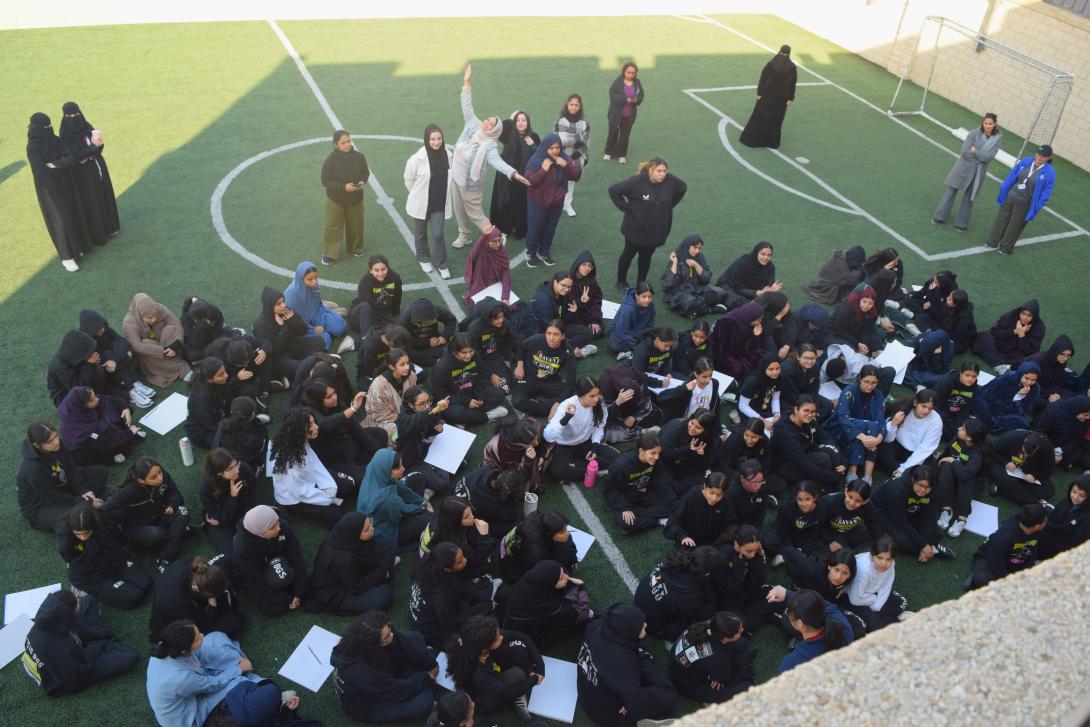
For the following three days from Tuesday to Thursday, students in sixth through eleventh grades took part in a multi-day hackathon. The event was structured to reflect the real process of innovation: messy, iterative, and deeply collaborative.
Day one of the hackathon was dedicated entirely to ideation. Rather than assigning groups by classroom or based on friendship, students were organized around shared interests - a deliberate choice to push them outside their comfort zones and into genuine collaboration. Wednesday was devoted to building, as teams dove into constructing and testing their projects. By Thursday, groups were putting the finishing touches on their work ahead of the final showcase.
The culminating showcase event was an expo-style presentation in which students displayed their projects for the community. The students walked their parents, teachers, and fellow students through not just their results, but the full arc of the process, including their setbacks and what they learned from them.
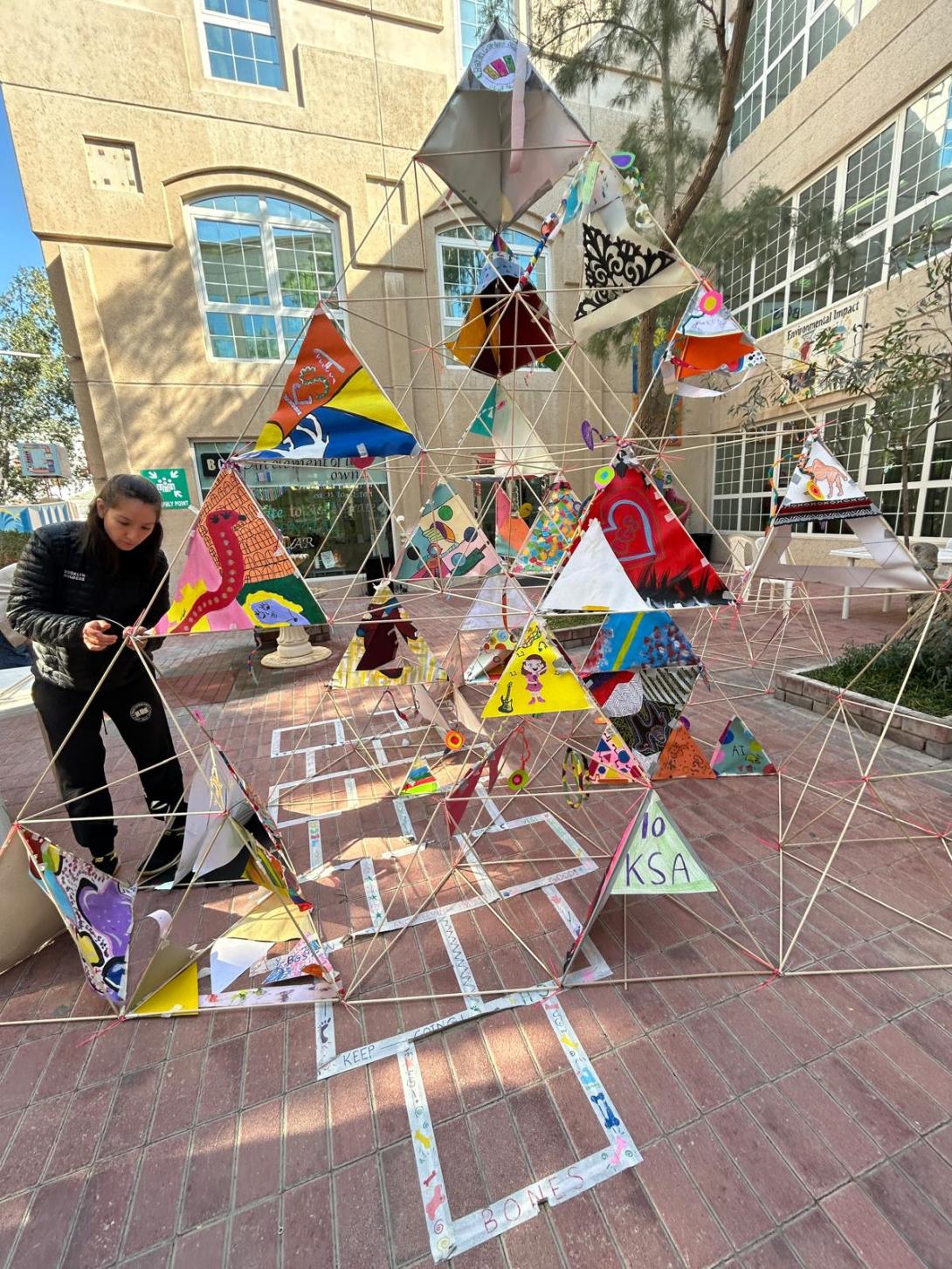
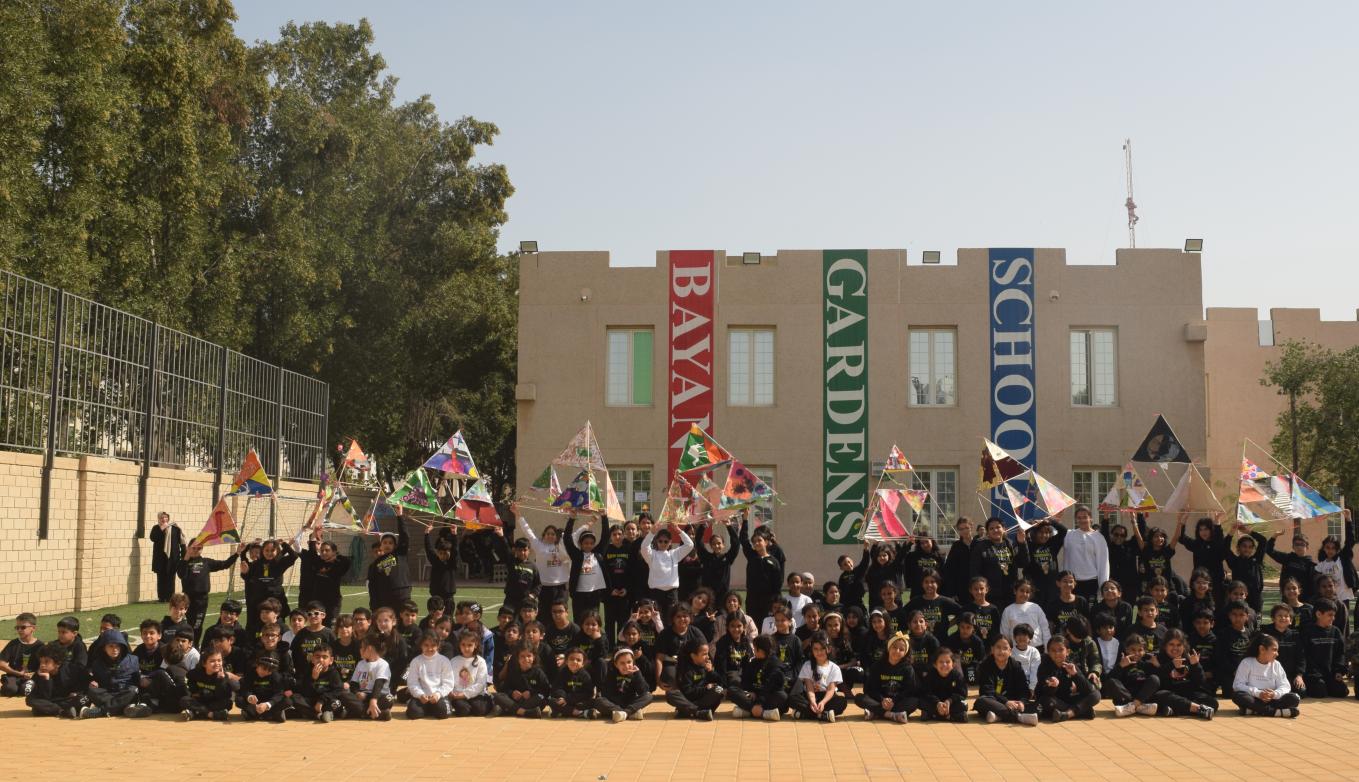
Running concurrently to the hackathon, students in first through fifth grades collaborated to build an expressive tetrahedron. Mixed-age groups worked together to construct tetrahedrons from sticks, decorating them before combining their individual structures into one large, collective tetrahedron. On presentation day, the completed structure was displayed for arriving parents. By building something together that nobody could have built alone, the lower school students created a tangible symbol of the week’s collaborative ethos.
In addition to sharing their work as part of the hackathon and tetrahedron build project, the final day also included a student panel. Students had the opportunity to reflect publicly on their experiences, speaking to the value of curiosity, risk-taking, and learning through doing.
Throughout the week, the MIT team's goals came to life in front of them. Students became more collaborative, more curious, and more comfortable with failure. They began to view science and engineering not as subjects to be memorized, but as ways of approaching the world. By all accounts, the students (and their teachers) left the week seeing the world a little differently. Several even asked if they could be mentors for the program next year.
Back at the Edgerton Center, the team is already planning for this fall’s visit, when Bayan Gardens students will visit the Student Project Lab to begin a new cycle of collaboration, connection, and growth.