



Learning climate change by doing
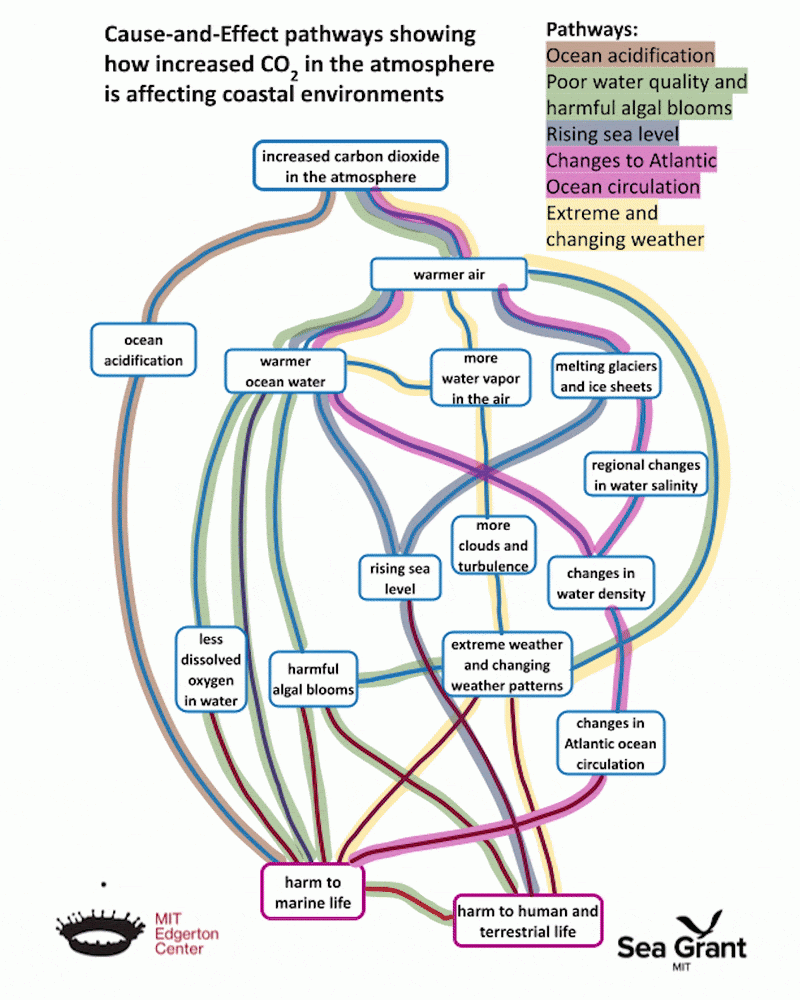
Five pathways from CO₂ to coastal climate change
At the core of the toolkit is a framework that organizes the cascading impacts of atmospheric CO₂ into five interconnected pathways. Together, they trace how excess carbon in the atmosphere travels throughout ecosystems and weather systems, ultimately resulting in harm to life on Earth. The pathways are:
- Rising sea levels
- Ocean acidification
- Changes to Atlantic Ocean circulation
- Extreme and changing weather
- Poor water quality and harmful algal blooms
Rather than treating these as separate phenomena, the framework helps students (and their teachers) see climate change as a connected system, with increased atmospheric CO₂ as the common thread.
Experiments and Explainers: A two-part approach
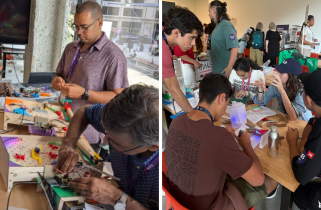
Each pathway in the toolkit is supported by two kinds of resources. Experiments (short, hands-on demonstrations) translate large-scale concepts into something students can see, touch, and test for themselves. Explainers (curated articles, videos, and data sets) then provide context and grounding information about what they’ve learned through observation and experience.
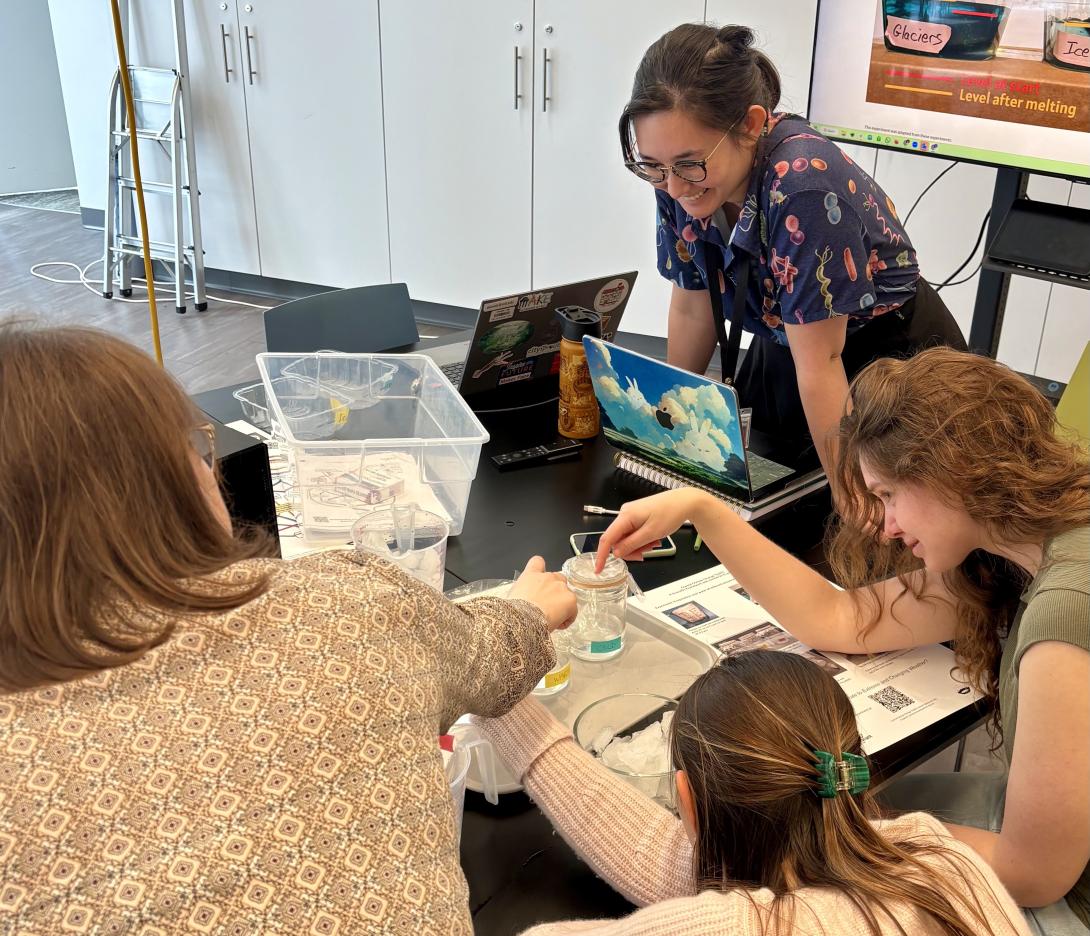
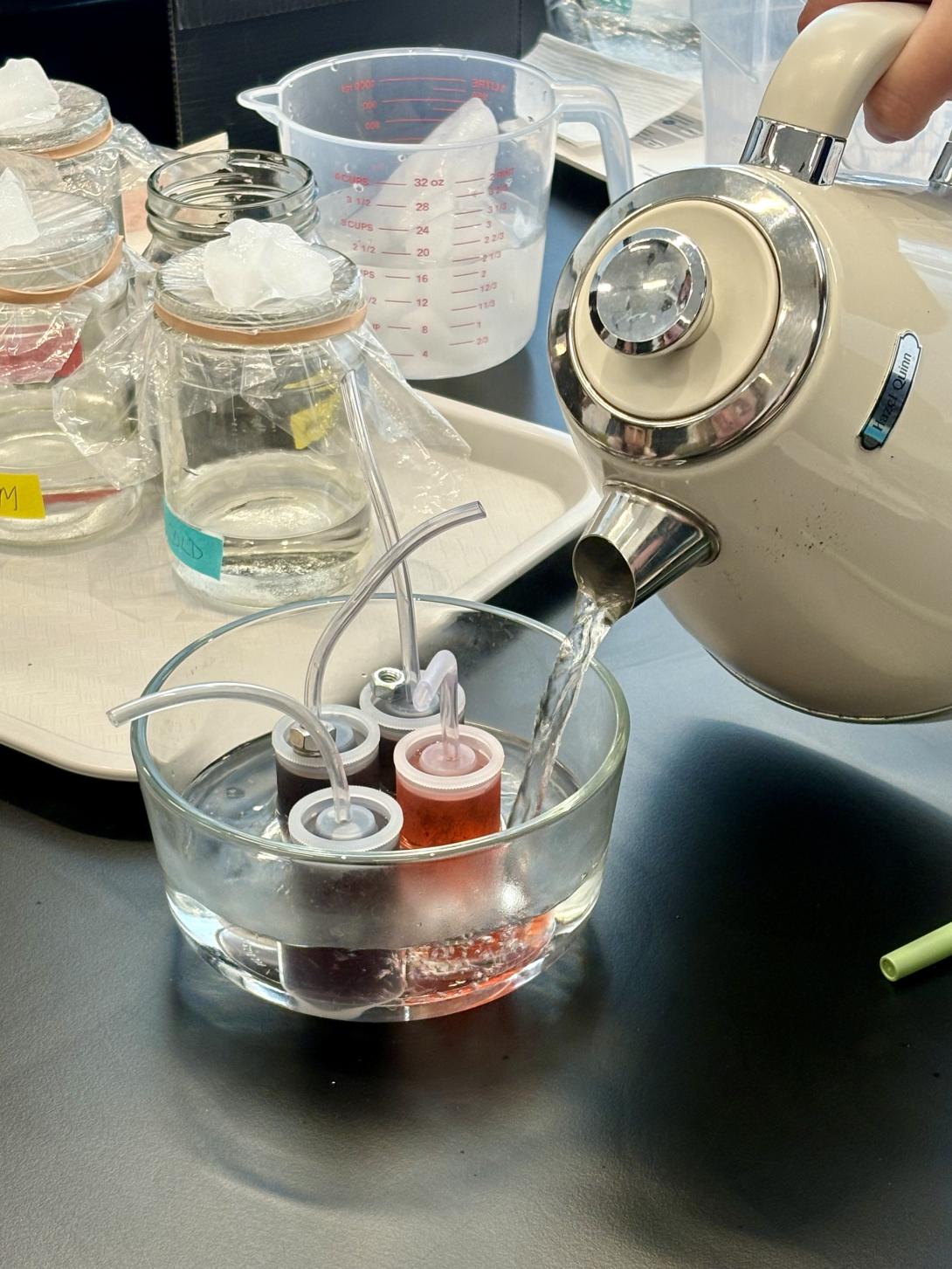
Crucially, every experiment is a kitchen-science demo. Using common household materials, teachers can run these activities in any classroom, regardless of lab equipment or budget. Some student favorites include:
- Icebergs vs. glaciers: a side-by-side comparison showing why melting land ice raises sea level while melting sea ice does not.
- Clouds in a jar: a demonstration of condensation and the role of ocean temperature in cloud formation.
- Water temperature and density: reveals how ocean currents are driven by physical properties students can observe in real time.
- The windowsill greenhouse effect: a simple setup that lets students measure the mechanism at the core of climate change.
These small-scale experiments are the larger concepts in miniature. Instead of hearing that water expands as it warms, or that more clouds form over warm water, students watch it happen.
Designed for teachers
The toolkit is designed for middle and high school teachers, with an eye toward lowering the barrier for educators who may not consider themselves climate science experts. By presenting vetted explainers alongside accessible experiments, it gives teachers a launching pad to tackle these increasingly relevant topics.
The pathways themselves reflect input from a network of climate experts on the MIT campus and beyond, whom Brancazio consulted to ensure the science behind each pathway is accurate, current, and clearly communicated. That collaborative foundation has been recognized by institutional support, as the project was awarded a grant from the inaugural MIT Day of Climate.
From OCEANS 25 to the MIT Museum
Along with coauthor Andrew Bennett '85, PhD '97, also of MIT Sea Grant, Brancazio presented a paper on the toolkit at the OCEANS 25 conference in France, bringing a K-12 education perspective to a venue typically more focused on underwater technology and oceanographic research. The reception underscored growing recognition that public understanding and student engagement are essential to forward-thinking problem solving.
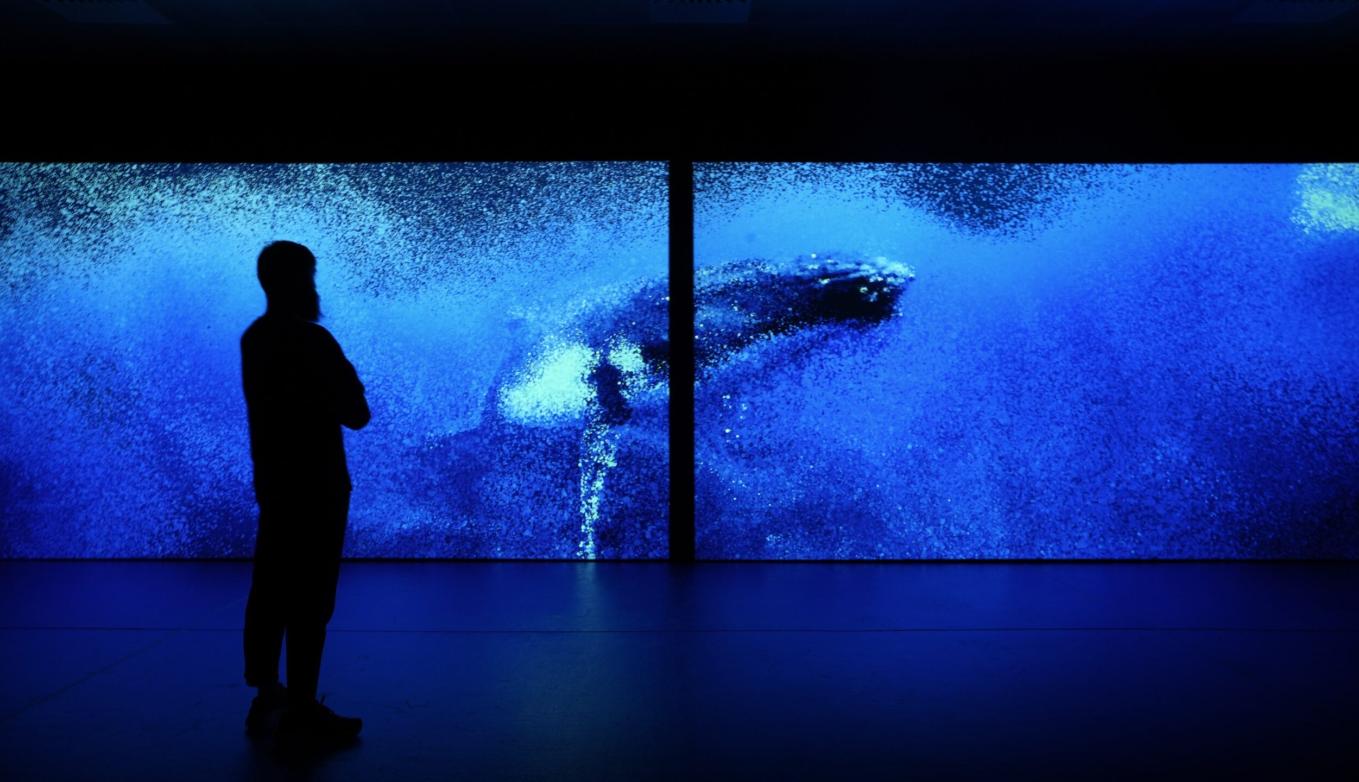
That same conviction animates the toolkit's next chapter at the MIT Museum. Sensing Oceans, on view from September 28, 2026 through February 21, 2027, explores how humans extend perception below the ocean's surface - an environment that remains practically alien to humans. The exhibition brings together underwater sensing equipment, animal-inspired robots, autonomous vehicles, and immersive artworks, drawing from the MIT Museum's collection alongside contemporary research and artistic practice.
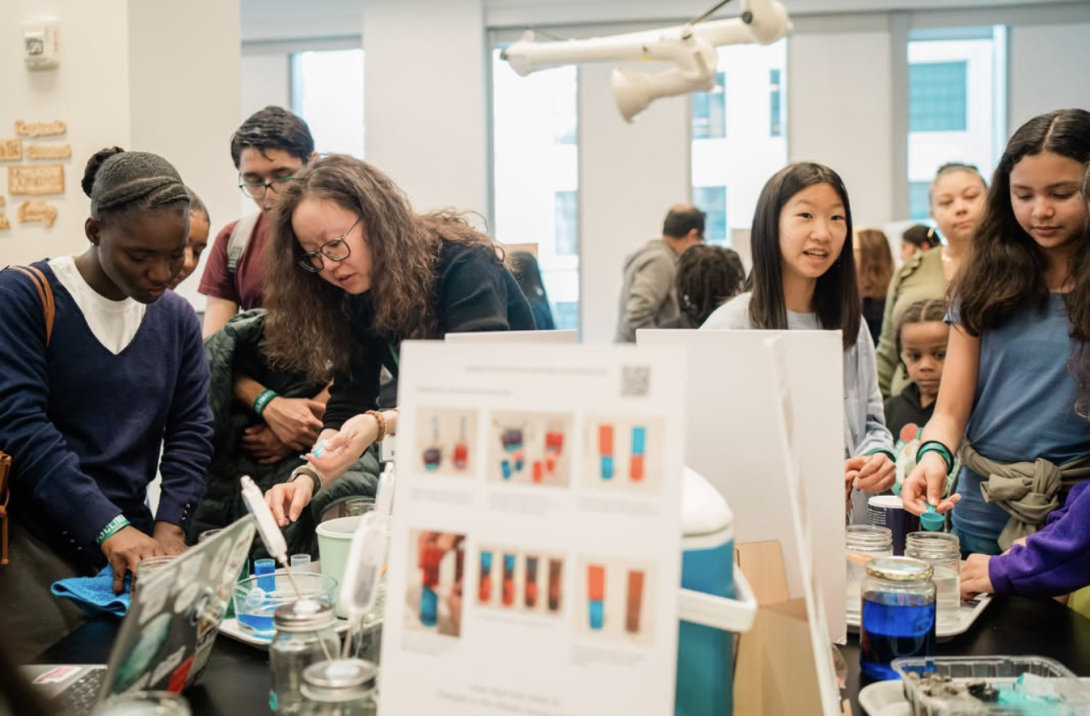
Within that landscape, the Coastal Climate Change Toolkit offers visitors something unique: interactive demonstrations of the toolkit's experiments, inviting museum-goers of all ages to do the science themselves. In an installation dedicated to one of the largest things on planet Earth, the hands-on demonstrations offer a new perspective, showing how the simplest materials can make global processes visible at human scale.
Try the Toolkit
The full Coastal Climate Change Toolkit is available for free at coastal-climate.mit.edu. Teachers, students, and curious visitors can explore the framework, dive into the explainers, and try the experiments at home or in the classroom.
Sensing Oceans opens at the MIT Museum on September 28, 2026, and runs through February 21, 2027.
This article was originally published in June 2026.